



Posts By: Administrator

The Secret to Winter Beekeeping Success

  Winter is a critical time for beekeepers and their bees.   Proper preparation can mean the difference between a thriving colony come spring and a heartbreaking loss.   The key? Planning ahead and ensuring you have everything your bees might need during the colder months. Why Planning Matters Bees rely on their keepers for… Read more »

Crafting Frameworks For Honeycomb Frames

  Managing an apiary with over 40 hives is no small feat, especially when it comes to the upkeep and creation of honeycomb frames.   Each hive requires multiple frames, and the sheer volume of frames needed can quickly become overwhelming.   For beekeepers who craft their own, establishing an efficient framework is crucial for… Read more »

Understanding Formic Acid Temperatures

  Formic acid is one of the most popular treatments for controlling Varroa mites in bee colonies.   It’s particularly favored for its ability to penetrate capped brood cells and target mites where they reproduce.   However, timing and temperature are critical when using this treatment, especially as winter approaches. The Role of Temperature in… Read more »

How To Spot Fake Propolis Tinctures

  Natural alcohol-based propolis tinctures are a popular remedy in holistic medicine and daily wellness routines, renowned for their antibacterial and antiviral properties.   But how do you know if your tincture is of high quality?   A simple water test can help determine its authenticity and effectiveness. The Water Test: A Quick Guide One… Read more »

Beekeeping: Pre-winter Feeding

  As winter approaches, beekeepers must ensure their hives are set up for success.   One key aspect of winter preparation is knowing what foods are best suited for bees in the colder months.   During this period, it’s critical only to provide solid foods, whether it’s honey, sugar fondants, or other substitutes.   Here’s… Read more »

Beekeeping: A Peaceful Winter

  As beekeepers, we know how vital it is for our colonies to have enough honey to sustain them through winter.   When regular hive inspections reveal that some colonies are low on honey reserves, it’s essential not to cut corners.   Giving them back some honey, no matter the cost is a critical step… Read more »

The Threat of the Small Hive Beetle

  In the beekeeping world, the small hive beetle (SHB) might not be the first pest that comes to mind, but it’s definitely one to be taken seriously.   Though not globally widespread, in areas where SHB is present, unchecked infestations can bring a real challenge, particularly to smaller colonies. What Makes Small Hive Beetles… Read more »

Beekeeping: Understanding Your Final Winter Population

  As the chill of winter approaches, beekeepers observe the emergence of the final generation of bees for the year.   With queens winding down their egg-laying, the hive’s population reaches its final winter count, a critical moment that influences how well the colony will endure the colder months. The Importance of Winter Bees Winter… Read more »

Beekeeping: 5 Steps to take before winter kicks in

  As winter approaches, beekeepers know the importance of preparing their hives to help their bees survive the colder months.   Part of this preparation includes ensuring that the bees have enough food stores and removing unnecessary frames, giving the colony its best chance of staying healthy and strong throughout the season. 1. Check Food… Read more »

Winter Preparation: The Generational Shift in Bees

  As the cold season nears, beekeepers may observe a noticeable increase in the mortality rate among their bees.   This shift, although alarming at first glance, is actually a natural and essential part of a colony’s winter preparation.   Rather than signaling trouble, this rise in mortality represents the colony’s strategy for survival through… Read more »

Hormone-Based Pesticides: A Future Solution for Varroa Mites

  Australian researchers are developing hormone-based pesticides aimed at controlling Varroa mites and small hive beetles without harming honeybees.   These innovative solutions are still in the research phase and may take several years to become commercially available. Understanding Hormone-Based Pesticides Hormone-based pesticides work by disrupting the hormonal systems of target pests, affecting their growth,… Read more »

Upgrading Your Varroa Defense

  Managing Varroa mites is a constant challenge for beekeepers, but it’s a fight you don’t have to lose!   With new equipment and treatment options frequently becoming available, keeping up-to-date can make a big difference in your hive’s health. Why Upgrading Matters Varroa mites adapt over time, sometimes becoming resistant to older treatments.  … Read more »

Why there are no drone bees during winter

  As winter approaches, honeybees prepare for the challenging months ahead.   Part of this preparation involves a fascinating yet ruthless behavior: worker bees start to evict the male drones from the hive.   Drones play a crucial role in mating during warmer months but suddenly, when the cold kicks in they become unnecessary.  … Read more »

Maximizing Wax Recovery

  When working with melted wax, you might notice a layer of debris floating on top of the wax-water mixture.   While it may seem like a waste, this layer contains valuable wax that can still be extracted and reused.   Here’s why you should pay attention to it and how to make the most… Read more »

Bees Robbing Instincts in Late Autumn

    As the natural sources of nectar and pollen dry up in late autumn, bees can become desperate for food.   Leaving your unused frames or supers outside might seem harmless now, but it can actually trigger one of the bees’ most aggressive behaviors. What is Robbing? Robbing occurs when bees from one hive… Read more »

The Challenges of Queen Rearing

  In beekeeping, queen rearing is a delicate process, requiring careful planning and ideal conditions.   Yet, even with all the effort put into cultivating strong queens, nature often has the final say.   Surprisingly, fewer than 60% of queens successfully mate and establish thriving colonies.   This low success rate reminds beekeepers that, despite… Read more »

Using Bee Behavior to Encourage Drone Cells

    Beekeepers can creatively leverage the natural tendencies of bees to build drone cells by introducing subtle irregularities in honeycomb frames.   These deviations can encourage bees to construct more drone cells, supporting various management strategies. Why Drone Cells Matter Drone cells are essential to colony health and, when managed carefully, can assist in… Read more »

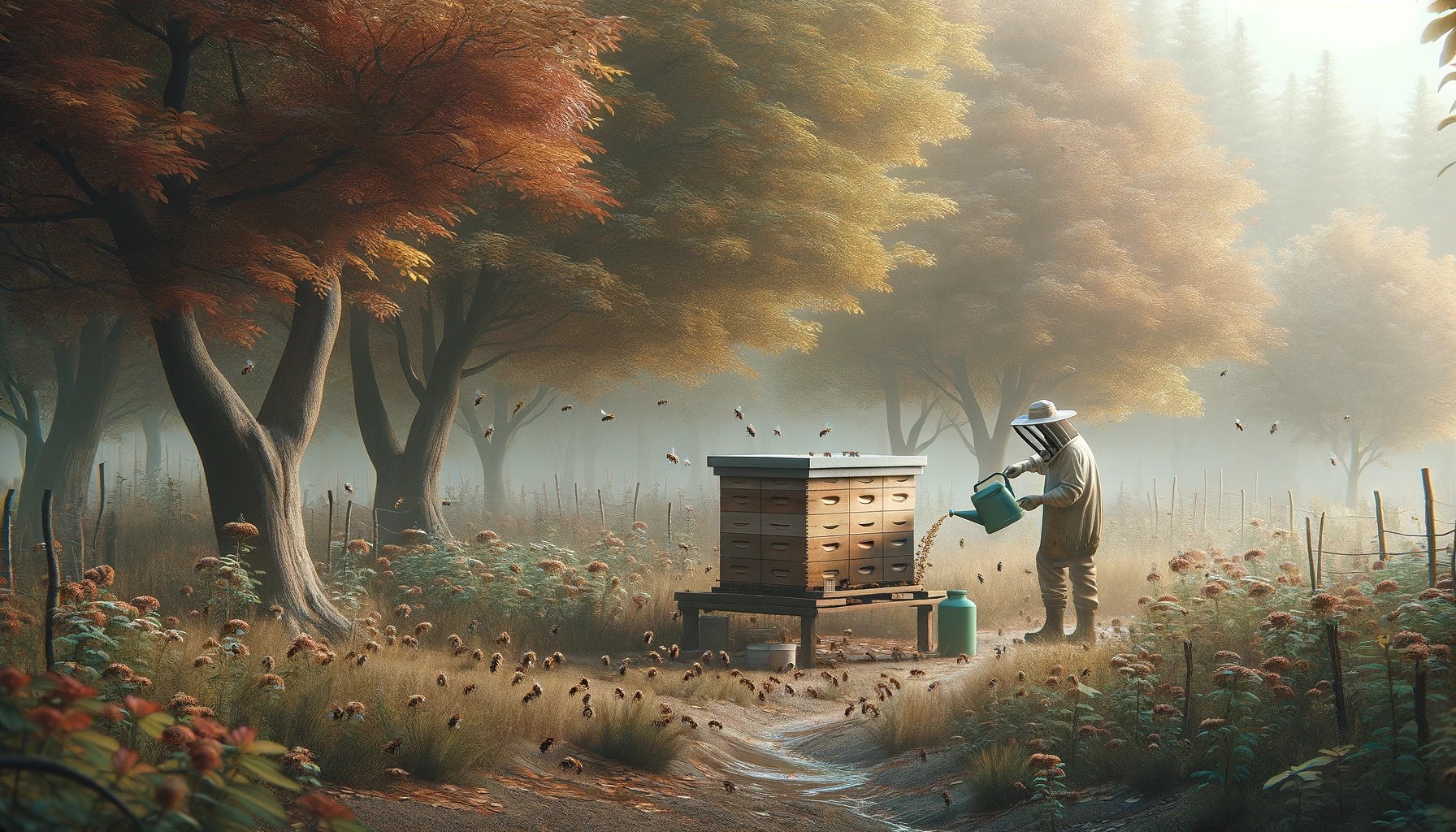
Understanding Bees’ Need for Minerals

    As a beekeeper, observing the behaviors of your bees can tell you a lot about their needs.   One curious behavior you might notice, especially during certain times of the year, is your bees gathering around muddy areas.   This isn’t just a random occurrence and it’s often a signal that they lack… Read more »

The Ecosystem Created By An Apiary

  If you’re fortunate enough to have an apiary in your yard, you’ll quickly notice how it transforms into a hub of activity for the surrounding ecosystem.   Bees are not just important for pollination, but they also play a pivotal role in attracting and feeding other creatures, big and small. Bees as Key Players… Read more »

Understanding the Wax Moth Biology

    Beekeepers know that pests are an inevitable challenge, and the wax moth is no exception.   While these little intruders can wreak havoc inside the hive, understanding their biology can help us manage their presence more effectively. The Wax Moth’s Lifecycle and Biology The development of a wax moth (specifically the greater wax… Read more »

Wax Moths: Annoying But Important Creatures

    Ask any beekeeper about Wax Moths, and you’ll probably hear some frustrated stories.   These tiny moths can wreak havoc in a hive, especially if the colony is weak.   However, while they’re definitely unwelcome in active hives, Wax Moths actually play a surprising and crucial role in the ecosystem.   Believe it… Read more »

Safety Tips For Propolis Harvesting

  Harvesting propolis from frames requires a bit of care, but the result is well worth it.   Use the right tools, take your time, and be mindful of what you’re collecting to ensure that you have pure, high-quality propolis without any bits of wood or debris. The Challenge of Frame Propolis When bees deposit… Read more »

Oxalic Acid: A Resilient Tool Against Varroa Mites

  Varroa mites are a relentless threat to honeybee colonies, and beekeepers constantly struggle to find effective treatments.   Among the various treatment options, oxalic acid has emerged as a precious tool in the fight against these pests.   One of its greatest strengths is that, unlike many other chemical treatments, Varroa mites have not… Read more »

Beekeeping: Amitraz based treatments

  Beekeepers around the world face an ongoing battle against Varroa mites, one of the most destructive pests threatening honeybee colonies.   Among the numerous treatment options available, amitraz-based treatments have stood out for their effectiveness in combating these parasites.   Despite this, amitraz is forbidden in many countries due to health and environmental concerns…. Read more »

Varroa Treatments: The 10% Rule

  Varroa mites are a constant threat to the health of honeybee colonies, and many beekeepers are always on the lookout for effective ways to manage these pests.   Alternative treatment methods can be tempting, especially when traditional treatments start losing effectiveness or concerns arise over chemical residues.   However, it’s important to be cautious… Read more »

Autumn: The Final Check for Honey Stores

  As the chill of autumn settles in, beekeepers know that this is the last chance to ensure their hives are ready for winter.   A critical part of this preparation is checking the honey stores.   Bees need ample honey supplies to make it through the cold months, and it’s up to us to… Read more »

Honeycomb Sheets & Bee Productivity

  When it comes to beekeeping, providing your bees with quality materials is crucial.   Honeycomb sheets play a significant role in helping bees efficiently build out their comb but if these sheets are full of imperfections, it can lead to a lot of struggle and stress for the bees, which will ultimately lead to… Read more »

Beekeeping: Tips for Storing Supers and Honeycombs

  Proper storage is an often overlooked but essential aspect of successful beekeeping.   Finding a suitable place to store your supers and unused honeycombs can make a huge difference in the overall health and productivity of your apiary.   Effective storage ensures that your equipment is ready for use when the bees need it… Read more »

Bee Brood Numbers In Autumn

  As autumn reaches its peak, bees begin their critical preparations for the approaching winter.   One of the key strategies they use is reducing their brood numbers.   This adjustment is done in proportion to their food reserves, ensuring the hive’s survival during the colder months. Why Do Bees Reduce Brood Numbers? Bees are… Read more »

Selective Breeding: Enhancing Varroa Resistance in Your Apiary

  Varroa mites are one of the biggest threats to honeybee colonies today, and combating them requires a strategic approach.   One promising solution is to focus on selective breeding, as some strains of bees are naturally better at cleaning themselves and their hive of Varroa mites.   However, achieving this requires careful selection and… Read more »

Beekeeping: The Importance Of Tight Hives

  Winter is a challenging time for bees, and as a beekeeper, you want to give them the best possible chance to make it through.   One crucial aspect of this preparation is making sure that the hives are tight and not overly spacious.   Removing frames that are not fully covered by bees is… Read more »

The Benefits of Bee Venom

  Bee venom, while often feared due to the pain of a sting, is actually a remarkable substance with a wide range of benefits.   From natural medicine to skincare, its potential has made it a prized product in various industries.   Here are three major reasons why bee venom is so beneficial. Anti-Inflammatory Properties… Read more »

Bee Venom: A Rare Treasure in the Apiary

  Bee venom, or apitoxin, is one of the rarest and most valuable products that can be harvested from an apiary.   While honey, propolis, and royal jelly are well-known bee products, bee venom stands out due to its scarcity and unique uses.   It’s not something that can be easily harvested in large quantities,… Read more »

Safe Autumn Bee Stimulation

  Mid-autumn can be a tricky time for stimulating your bees, but with the right approach, you can avoid common problems like robbing bees and wasp attacks.   The best way to avoid these unpleasant events is to provide small, frequent feedings at dusk when both bees and wasps are less active. Why Dusk Is… Read more »

Beekeeping: Off-Season Stimulations

  When the honey-gathering season comes to an end, many beekeepers take a step back from apiary activities, especially if they’re not planning to harvest any honey.   However, maintaining the health and activity of your bees during the off-season is just as crucial for ensuring the colony’s strength.   One key approach is to… Read more »

Why Wasps Attack Hives at Dawn

  Wasps can be a serious threat to honeybee hives, and they often choose to strike when bees are at their most vulnerable.   During the early morning, the cool temperatures make the bees sluggish and less active, giving wasps the perfect opportunity to invade the hive and, in some cases, even attempt to remove… Read more »

Why Honey Never Spoils: The Science

  Honey has been found in ancient tombs, perfectly preserved for thousands of years, proving its status as a natural marvel.   But why exactly does honey never spoil?   The secret lies in its unique chemical composition, which creates an environment that’s inhospitable to bacteria and fungi.   Let’s break down the factors that… Read more »

Protecting Your Hives from Mice

  Mice are notorious for seeking shelter in cozy, safe places during the colder months, and unfortunately, beehives can be a perfect refuge for them.   Abandoned or smaller hives are especially vulnerable, making autumn the ideal time for beekeepers to start thinking about mouse prevention.   Let’s explore why this is important and how… Read more »

Beekeeping: Pre-Winter Feeding

  Before entering winter, it’s crucial to check your hives’ food supplies and supplement them with honey.   While it might be tempting to use sugar syrup or other substitutes, honey is the only food you want inside your hives during the cold months.   Here’s why honey is the best and only choice for… Read more »

Honey: A Sweet Way to Healthier Skin

  Honey is more than just a natural sweetener for your tea!   Packed with vitamins, antioxidants, and antibacterial properties, honey can help improve your skin’s health and appearance in various ways.   Here’s how you can incorporate honey into your daily skincare regimen, backed by scientific facts. Natural Moisturizer Honey is a natural humectant,… Read more »

5 Reasons Why Honey Is Great for Your Skin

  Honey isn’t just a delicious treat for your taste buds.   It’s also a powerhouse ingredient for your skin and whether you’re dealing with dryness, blemishes, or you just want a natural glow, honey can help you out.   Here are five reasons why honey is a must-have in your skincare routine. Natural Moisturizer… Read more »
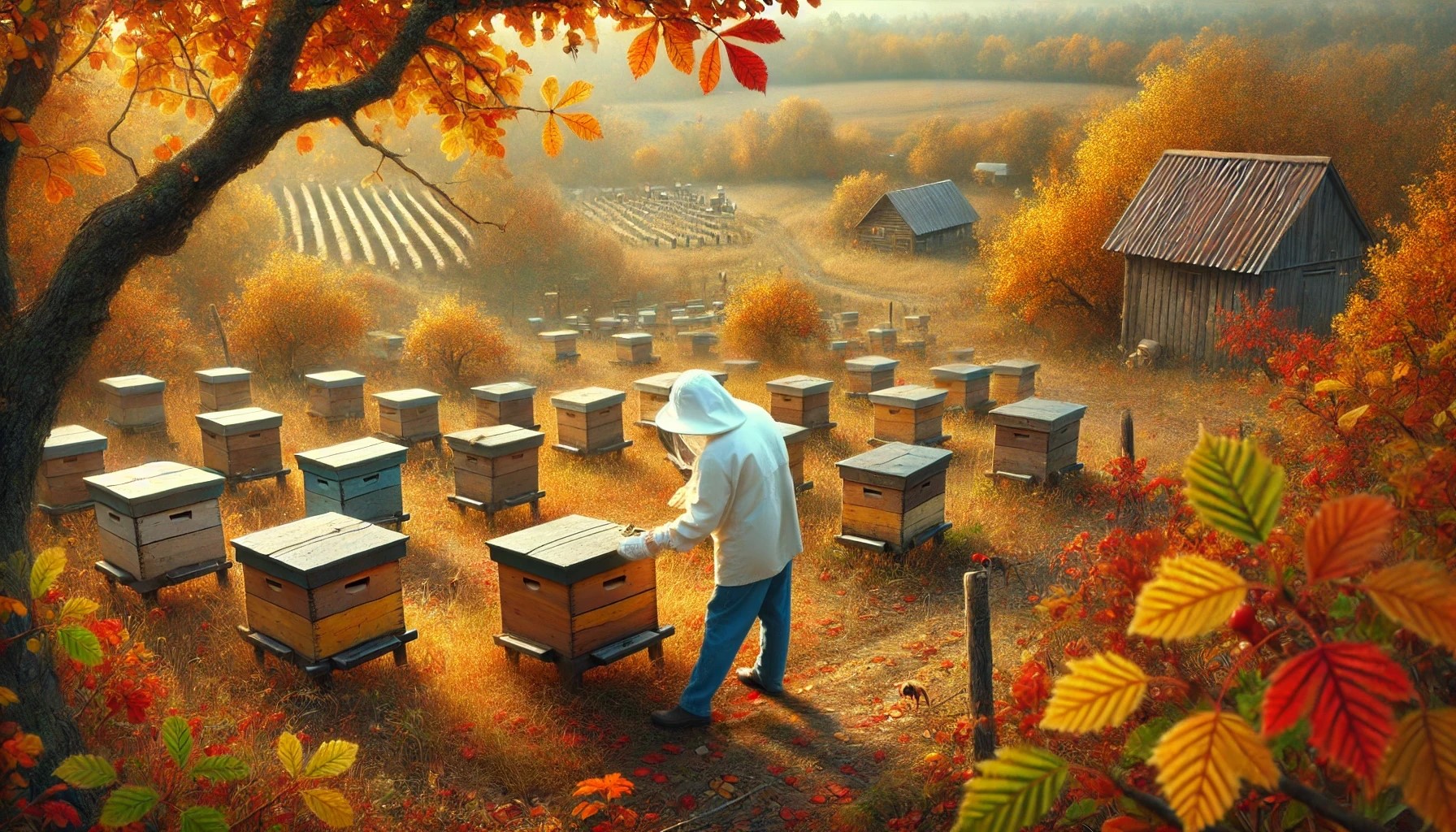
Beekeeping: 6 steps for cleaning unused boxes

  Autumn is when we begin storing unused boxes, and the best thing we can do before putting them away is to clean them thoroughly and prepare them for future colonies.   Properly maintaining and storing your unused equipment extends its lifespan and ensures it’s ready to go when you need it for next season’s… Read more »

The Key to Varroa Treatment Success

  No matter what device you’re using to treat against Varroa mites, knowing how and when to apply the treatment is crucial for maximizing its efficiency.   Varroa mites are one of the most persistent threats to bee colonies, and improper treatment can reduce its effectiveness or even harm the bees. The Importance of Timing… Read more »
Winged Beauty, Deadly Danger for Bees

  Although very beautiful, bee-eating birds can wreak havoc inside small apiaries and can decimate entire colonies in just a few days.   While their vibrant colors and graceful flight might catch your eye, their appetite for bees poses a serious threat to beekeepers, especially those managing smaller colonies. Bee-Eating Birds: The Silent Predators Several… Read more »

Cane Sugar: The Worst Food for Your Bees

  Cane or dry sugar is one of the worst types of food you can feed your bees, especially during times of desperation when they gather anything they can find.   While feeding bees is sometimes necessary, choosing the right type of food is crucial to keeping your colony healthy and alive. The Problem with… Read more »

Beekeeping: Choosing Smoker Ingredients

  When choosing your smoker ingredients, keep in mind that not all materials are good for your bees.   In fact, some can do more harm than good and before you implement new materials, it’s essential to test them to ensure they’re safe for the hive.   When selecting smoker ingredients, your bees’ safety should… Read more »
The Impact of Strips on Your Honey Harvest

  Being in full season and with a high nectar flow, beekeepers need to understand that even though you apply strips instead of smoke treatments, the chemicals will still end up in your honey.   While strips may seem like a less invasive option, it’s essential to recognize how these treatments can impact your honey… Read more »

Understanding Flawed Brood

  With queens laying thousands of eggs per day, it’s totally normal that some of the brood may be flawed.   There’s no need to be alarmed unless you witness large numbers of faulty newborns.   A few imperfect bees here and there are just a part of the natural cycle, and most of the… Read more »

The Art of Honeycomb-Frame Building

  Crafting honeycomb frames is not an easy job, and unless you really know how to work with wood, it’s better to simply buy them from the store.   While the idea of building your own frames may seem appealing, the precision and skill required often make it a tricky task for the average beekeeper…. Read more »
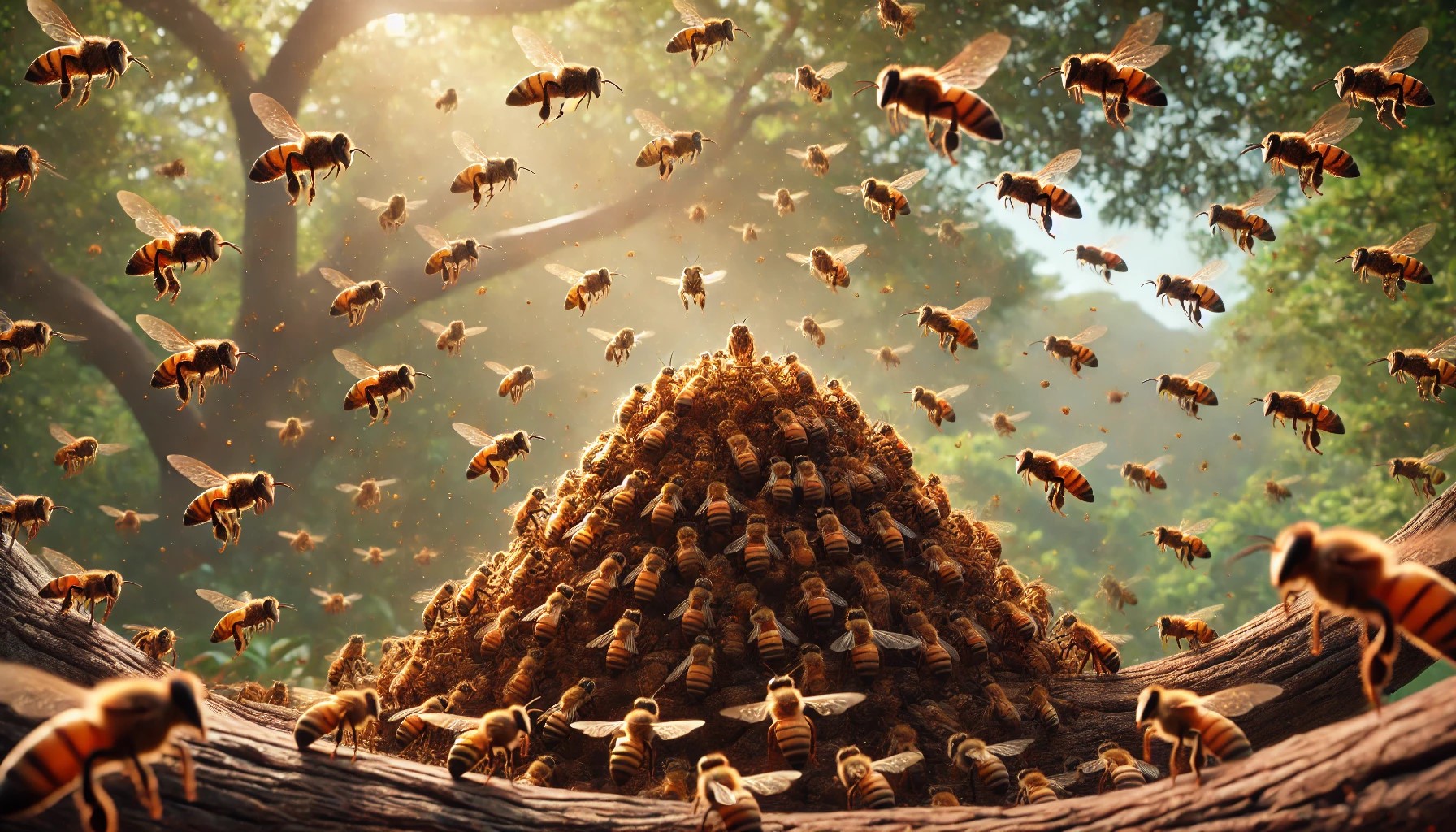
How Bees Are Guided During Swarming

  A swarm can be a blessing for regular humans to witness and a curse for beekeepers.   This marvelous spectacle is a sight once witnessed you can’t forget it.   Let’s take a look into how bees are guided during this phenomenon. The Queen’s Pheromones: Nature’s GPS The queen bee is the heart of… Read more »
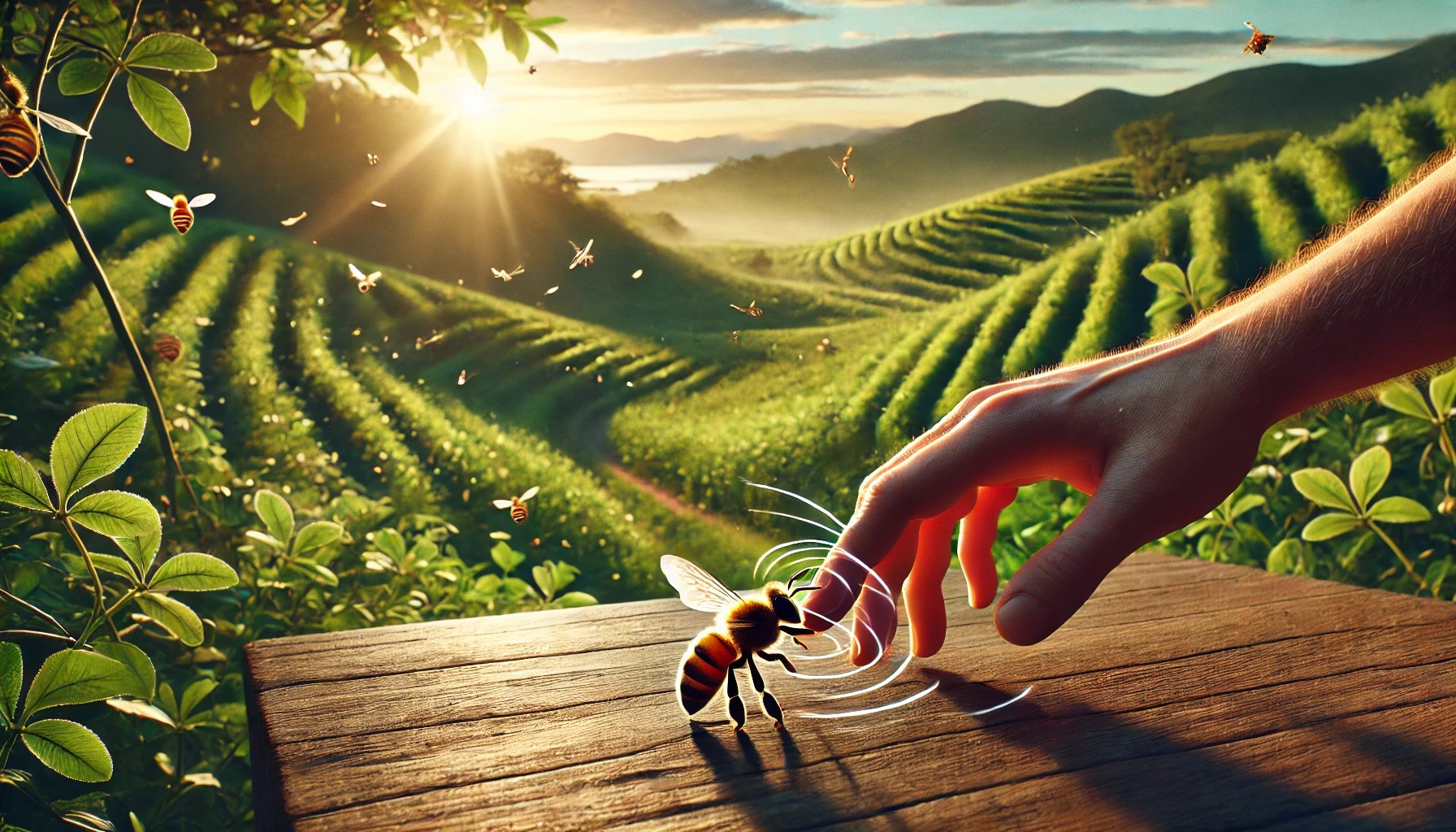
When Bees Sting by Accident

  Bees are usually kind and loving creatures, going about their day without bothering anyone.   But sometimes, they sting you by accident and unlike popular belief, not every sting means a bee is sacrificing itself.   In fact, when bees accidentally sting, they will often try to remove their sting by rotating in circles,… Read more »

Varroa Mites: Uncapping Drone Cells

  One of the best ways to assess the infestation rate inside a hive is to manually uncap drone cells and extrapolate the numbers.   This simple yet effective method will give you valuable insights and will help you take action fast and when it’s needed. Why Drone Cells? Varroa mites prefer drone brood over… Read more »

Varroa Control: Why Autumn Is Key

  Early autumn is the perfect time to start your fight against Varroa mites.   As summer fades and the hive is actively preparing for winter, it’s crucial to apply treatments that are carefully regulated by your country. Why Early Autumn Is Ideal During early autumn, nature is not providing enough food resources and the… Read more »

The Hive’s Cleanup Crew

As in any healthy and thriving community, bees have delegated workers who specifically take care of all the organic materials that can rot inside the hive.   The pleasant smell that comes out of a hive every time you open it is solely on the backs of these little cleaning crews. The Role of Undertaker… Read more »
The Fun in Swarm Lures: Tips for Success

  Although not proven too successful in my experience, swarm lures are often a fun way to play with.   As long as you don’t have any expectations, a swarm lure can offer you a great way to have fun in beekeeping.   As a disclaimer, swarm traps will most likely trap a swarm that… Read more »

When Nature Provides, Bees Won’t Rob

  As long as there is enough food around provided by nature, bees most likely won’t trigger their robbing instincts.   This means you can safely leave the frames outside after honey extraction without worrying too much about a frenzy breaking out among your bees. The Robbing Instinct in Bees Bees are opportunistic creatures, and… Read more »

The Perfect Time for Propolis

  Late summer or early fall is the best time for bees to actively gather propolis because the temperatures are still warm enough for them to process it and move it where it’s needed.   This time of year plays a crucial role in the hive’s preparation for the colder months ahead, and propolis is… Read more »

Guardians of the hive

  Remarkable little creatures, bees are known for their highly organized social structure so it comes as no surprise that they also delegate guards to protect their home.   Guard bees play a crucial role in protecting the hive and ensuring the safety of the entire colony.   Their vigilance at the hive entrance helps… Read more »

Timing Varroa Treatments for Safe Honey

  All beekeepers should keep in mind that treatments against Varroa mites can’t be performed when they plan to extract honey from their hives.   This critical consideration ensures that the honey remains pure and safe for consumption while effectively managing the health of the bee colony. The Importance of Treating Varroa Mites Effective Varroa… Read more »

Protecting Hives from Late Summer Predators

  As summer draws close, bees start to reduce their populations, conserving resources for the upcoming colder months while their natural predators, such as wasps and beewolves, are reaching peak numbers.   This imbalance poses a significant threat to bee colonies, and beekeepers must prepare for an imminent assault to protect their hives. The Seasonal… Read more »

Filling the Gap: Bees and Blind Frames

  Bees are well-organized and excellent builders.   When they sense a gap in their hive, they will immediately start to plan and build a new honeycomb that can be used for drone brood or honey storage.   This instinctive behavior showcases their incredible efficiency and adaptability, ensuring the continued success and growth of the… Read more »

The Scent of Danger: Bees sting

  When a bee stings, she releases pheromones that resemble a strong “banana” smell to alert the bees around her to the exact location of the threat.   This fascinating behavior is a crucial part of the colony’s defense mechanism, helping to protect the hive from predators and other dangers. The Role of Pheromones in… Read more »

The White-Eyed Condition in Drones

  The white-eyed condition in drones is usually a result of a recessive mutation that prevents the normal production of pigments that give the eyes their typical dark color.   While this condition might seem unusual, it offers a fascinating insight into the genetics of honey bees and the complex factors that influence their development…. Read more »

Propolis: Nature’s Remedy for Bee Stings?

  Besides being an amazing natural antibiotic, the anti-inflammatory properties of propolis might help you ease the pain when bees decide to sting you.   This lesser-known benefit of propolis makes it a valuable asset in any beekeeper’s toolkit, offering natural relief in addition to its numerous other health benefits. Propolis as a Natural Antibiotic… Read more »

The hidden cost of wax

  Few people outside the beekeeping world know that bees require huge amounts of honey in order to create wax for their honeycombs.   This lesser-known fact underscores the incredible effort and resources that bees invest in building the intricate structures that support their colony’s survival. The Wax Production Process Wax is produced by worker… Read more »
Uncapping Honeycombs: Bee Gentle

  When uncapping honeycombs, if you plan to reuse them, always try to be gentle and do your best not to puncture the cells.   Maintaining the integrity of the honeycomb is vital as it directly impacts the health and productivity of your bee colony. The Importance of Reusing Honeycombs Reusing honeycombs is a sustainable… Read more »
Sunflower and bees mortality rate

  The last big nectar flow of the year and one of the most profitable honey sources, sunflowers, often cause a spike in bee mortality rates due to factors such as neonicotinoids or extreme heat.   Understanding these challenges is crucial for beekeepers aiming to maintain healthy colonies and maximize honey production. The Allure of… Read more »

The Crucial Role of Honeycomb Sheets

  I can’t stress enough the importance of having high-quality honeycomb sheets when aiming to build a sustainable apiary.   Not many of us know that the way honeycombs are built will directly influence the amount of brood and honey, making them a cornerstone of successful beekeeping. The Foundation of the Hive Let’s start with… Read more »

Hive Box Quality and Bee Health

In the world of beekeeping, the hive box plays a crucial role in the health and productivity of a bee colony.   By investing in a well-crafted hive box, beekeepers can create the perfect environment for their bees, promoting growth, health, and productivity The Hive Box: A Home for Bees First of all let’s agree… Read more »
Nosema: The Silent Threat

  A marvel of nature, bees play a crucial in our ecosystem and agricultural habits and that’s why we need to pay close attention to the threats that endanger them.   Today I want to dive into the topic of Nosema, a silent and stealthy enemy to all bee populations.   This disease caused by… Read more »

The Dark Side of Nature: Wasps vs. Bees

  Natural-born enemies, bees, and wasps have a long and bloody history. One is pray and the other is a ruthless perfect hunting machine.   While bees have formed a symbiotic and mostly healthy relationship with humans, wasps tend to bother everything that comes toward their path.   A Natural Conflict   At times when… Read more »

Lesser-Known Facts About Varroa Mites

  As seasoned beekeepers, we’re all too familiar with the challenges Varroa mites pose to our beloved bees.   However, beyond the basics, there are intriguing aspects of Varroa mites that might surprise even the most experienced among us.   Let’s explore some lesser-known facts about these relentless pests.   Varroa Mites Can Affect Bee… Read more »

Enhancing Bee Productivity

  Beekeeping, an art as ancient as agriculture, involves the care of bee colonies and the intricate understanding of bee biology and behavior.   One fascinating aspect of this practice is feeding bees with pure honey before significant nectar flows.   This method, used by the most experienced beekeepers, leverages the natural instincts of bees… Read more »

Bees & Beekeepers: A Mirror of Behavior

  In the intricate dance between beekeepers and their bees, the tempo is set by the hands that tend the hive.   The relationship between a beekeeper and their bees is a delicate balance, a testament to the profound connection humans can tie with nature. A Tale of Two Temperaments At the heart of this… Read more »

Honey Balsamic Sauce

Steps: 1. Take a small pan.   2. Pour inside 250ml of balsamic vinegar then turn on the fire at a small scale.   3. When it starts to boil, begin to mix one tablespoon of honey.   4. Repeat the process 2 more times until you have a total of 3 tablespoons of honey… Read more »

Sweet Honey Granola Recipe

Steps: 1. Open the yogurt and pour it into a small bowl.   2. Add one teaspoon of raw honey and one teaspoon of coconut flakes.   3. Gently blend your mix until honey dissolves.   4. Slowly add the granola into the mix while stirring.   5. Spread a handful of berries.   6…. Read more »

Warm Milk With Honey

Steps: 1. Gently apply the honey on the walls of a 330ml glass.   2. Pour around 300ml of milk into the glass.   3. Transform the other 30ml into foam by using the espresso machine or any other foam creating tool.   4. Pour the foam on top of the milk.   5. Complete… Read more »

One True Honey Bee History

  It is known that honey bees are social insects so we can’t act surprised that humans made some good friends.   Long known as the angels of agriculture, honey bees deserve our respect and care. 6000 bc  Cuevas de la Araña, Spain Since ancient times, humans have been drawn to honey bees and their… Read more »
Honey-Bees: Building The Hive

  Bees are intelligent little creatures with a constant need to secure a place for their entire colony to live in.   Honey needs a lot of processing from bees so they had to find the perfect solution to store it.   What comes next is an elegant example of evolution and genius. Building materials… Read more »

Honey-Bees Love Humans

  Humans and honey bees have a long history together and without a doubt, the love relationship between them is real and strong.   In time, both parties saw the benefits each side can bring to the table and formed a fine couple.   Show them love and they will show it back! Honey bees… Read more »

5 Honey-Bees Military Tactics

  Even from ancient times, honey bees fought alongside human companions.   Historical evidence shows how bees helped humans to conquer fortified structures to ultimately be the edge for a win in heavy sieges.   Throughout the globe, across the sea, even in the world wars, honey bees have been unwitting players.   There are… Read more »

Milk As A Superfood

  Since the dawn of civilization, milk has been known as nature’s most complete food. Being a nutrient-rich liquid food produced by mammals, milk offers an array of side products like cheese, butter, yogurt, and cream.   Combine it with honey and you have the perfect start for a cheerful day. About Milk An amazing… Read more »

5 Antibacterial Effects Of Honey

  Since the dawn of time honey has been used by any culture that had access to it.   What makes us excited about honey is that even though we’ve been using it for thousands of years, pathogens never learned to become resistant to it. Even superbugs that are resistant to many antibiotics aren’t safe… Read more »

How To Spot High-Quality Honey

  Spotting high-quality honey is actually easier than you think.   You don’t need to be an expert or to make fancy experiments at home to quickly know the differences between real, fake, or processed honey.   Here is what you need to know. Real Honey Crystallizes This is the first thing you look at… Read more »

Homemade Honey Hand Cream

Steps: 1.Take one big pan and a smaller one for your mix.   2.Prepare all the ingredients so you have them at hand.   3.Half fill the big pan with water.   4.Bring the water to the boiling point and place the small pan inside the big pan.   5.Into the small pan put 1… Read more »

5 Reasons To Use Honey In Cosmetics

  Honey has been used since ancient times for skin care and beauty products and that is not a secret.   We see some growing interest in the study of honey for its cosmetic properties and we believe the main reason for this surge is because honey being a natural product can comfortably compete with… Read more »